.webp?width=249&height=77&name=Britannia-logo%20(1).webp)
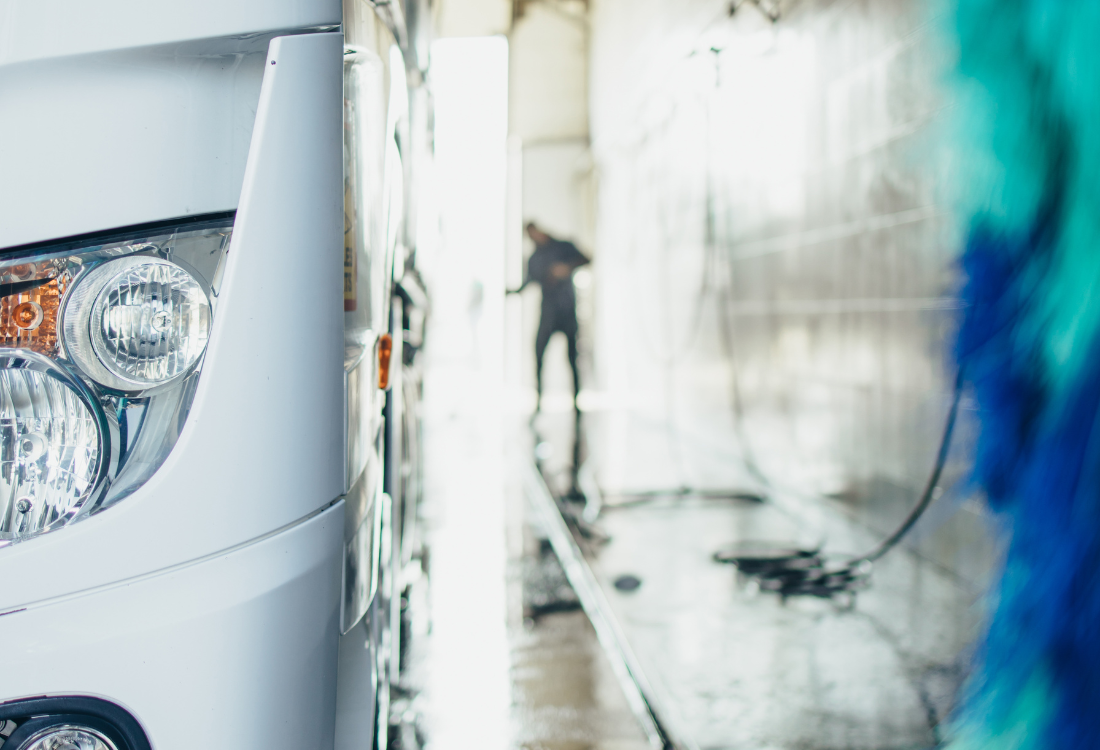
As their fleets grow and operational demands increase, many operators are forced to re-evaluate how their vehicles are cleaned and maintained. Manual jet washes, often sufficient for small operations, mount up inefficiencies for larger fleets, with high costs and inconsistent results. Automated wash systems provide a smarter alternative, combining controlled water use, reliable chemical dosing, and energy-efficient operation with high levels of consistency. In this article, we explore the core reasons why automation is becoming a strategic investment for modern fleet operators.

1) Accurate Water Control And Long-Term Savings
Water is one of, if not the, highest recurring cost in any wash operation. Automated commercial systems immediately deliver value by controlling your flow rates, spray patterns, and wash durations more precisely than manual methods – and many also include a water reclamation system that reduces your dependence on the mains. Instead of relying on manual operators to guesstimate their water usage, automated equipment is far more quantifiable, using fixed wash programmes and calibrated nozzles to make sure only the required volume is used. When combined with greywater recycling systems, these installations achieve even greater efficiency. Recycled water can be reused on site for various purposes, reducing your reliance on fresh water supplies. This lowers your ongoing overheads and shields the business against future water price fluctuations and supply constraints.
2) Improved Chemical Management And Reduced Waste
Consistency is difficult to achieve manually, particularly when detergents and specialist cleaning agents are involved. Its easy-to-use too much or too little of what you need, especially during train washing cycles and other large-scale vehicle cleans. This wastes money, increases environmental impact, and leads to inconsistent outcomes from cleaning.
To help with this, many automated systems now include integrated chemical dosing units that deliver precisely the right amount of detergent every time. For operations with heavy dirt loads – such as train washing, bus depots, or commercial lorry fleets – this reduces the need for repeat washes and optimises your chemical expenditure over time.
3) Optimised Performance And Energy Efficiency
The point of automation is to do more with fewer resources. Pumps, motors, and brushes in an automated wash system operate at controlled speeds and durations, avoiding the energy peaks associated with manual handling or older jet wash equipment. Some systems even incorporate energy-saving features such as variable speed drives, automatic standby modes, and high efficiency motors. As part of a business case, this reduces life-cycle costs by extending replacement windows and reducing wear on components, as well as avoiding the costs associated with unexpected breakdowns. When combined with water reclamation, which reduces the need for energy-intensive treatments or the heating of fresh water each time, your operational footprint becomes smaller and more efficient.
4) Better Use Of Labour On Site
Vehicle wash processes are generally labour-intensive, with train washing requiring large teams using manual cleaning methods and jet washes. There is a high price to this intensity, especially with recruitment costs increasing. Automated wash systems streamline your labour requirements without compromising quality, increasing the output of each employee per shift and maximising throughput across your facilities. Automation also helps reduce operational bottlenecks during peak times.
The Business Case: Long-Term Resilience And A Strong ROI
When evaluating any capital investment, the return on investment (ROI) must be clear and unambiguous. Fortunately, automated systems have a strong business case in this regard, generating value through:
- Reduced water and chemical use
- Lower energy costs
- Fewer repeat washes
- Decreased maintenance requirements
- Longer equipment lifespan
- Improved operational uptime
For operators investing in car wash recycling systems or modern water reclamation technologies as well, the business case for a vehicle wash system becomes even more compelling. The combined fiscal and environmental benefits deliver savings year after year, while supporting your ESG and compliance commitments.
Find Out More
To find out more about automated vehicle wash systems and how they can enhance your operation, feel free to contact Britannia today by clicking here, or by calling 01789 334640.

Image Source: Canva