.webp?width=249&height=77&name=Britannia-logo%20(1).webp)
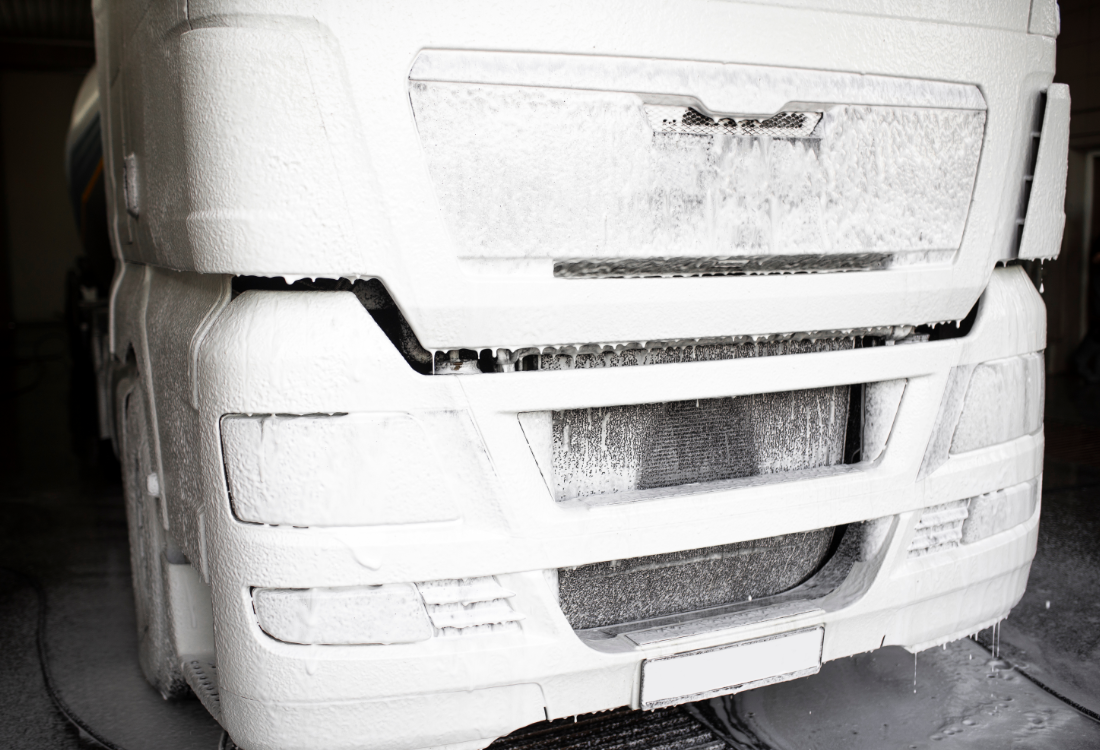
By the end of 2026, commercial vehicle washing could look noticeably different from many of today’s established practices. Rather than being driven by rapid technological change, as in some sectors, emerging trends suggest that pressures around water availability, wastewater capacity and regulatory oversight may gradually reshape how wash facilities are designed and operated. For operators using commercial vehicle wash systems, particularly those relying on lorry wash equipment at scale, closed-loop and lower-impact approaches are increasingly being discussed as practical ways to manage long-term risk.

How Water Shortages May Influence Future Wash System Design
Long-term water planning in the UK points to a future where supply constraints are more common – especially over the summer – without sustained demand reduction and reuse. A 2018 National Infrastructure Commission report warned that multiple regions of England could face water supply–demand deficits by the 2030s if efficiency and reuse do not improve. While this does not imply immediate restrictions for all users, it does suggest that high-volume water activities may come under greater scrutiny over time, and recent experience seems to have borne this out. This past summer (2025), several English regions had officially declared drought status by the end of May, reflecting immediate supply pressures and illustrating why future supply constraints are a practical concern for many businesses.
For operators of lorry washing machines and depot-based wash facilities, this raises questions about continued reliance on uninterrupted mains water supply. Trends suggest that wash systems designed to reduce dependency on fresh water — through reuse and reclamation — may offer greater operational flexibility in water-stressed regions.
Could Changing Climate Conditions Increase Pressure On Wash Water Usage?
It seems this way, yes. Climate data does point toward conditions that may influence wash operations in the coming years. For instance, The Met Office confirmed that 2022 was the UK’s hottest year on record, and its climate reporting indicates that hot, dry summers are becoming more frequent. These patterns affect river flows, reservoir levels and groundwater recharge, all of which support public water supply. For commercial vehicle wash systems, this does not necessarily mean constant restrictions, but it does suggest that periods of constrained supply could become more common. In that context, facilities that are able to reuse water on site may be better placed to maintain consistent wash throughput during dry periods, compared with sites fully dependent on mains input.
How Wastewater Capacity Constraints Are Reshaping Regulatory Thinking
Pressure on wastewater infrastructure is another factor influencing how wash facilities may evolve. Environment Agency data shows that nearly 60% of storm overflows spilled more than 10 times in 2024, highlighting the limited capacity of the sewer network during periods of stress. Although lorry wash equipment and commercial wash bays are not the cause of storm overflow events, regulators are increasingly focused on reducing avoidable volumes entering the sewer system. This suggests that future wash facility design may place greater emphasis on limiting discharge volumes and managing wastewater on site, rather than relying entirely on downstream treatment.
The Role Of Closed-Loop Systems
Against this backdrop, closed-loop wash facilities are increasingly being considered during new projects and refurbishments. Rather than treating water reuse as an optional add-on, some operators are beginning to integrate water recycling into the core design of their commercial vehicle wash systems. For lorry washing machine installations, this approach may offer several advantages: reduced reliance on external mains supply, lower discharge volumes and greater predictability over operating costs. Importantly, these systems may also help operators demonstrate alignment with national water resilience objectives, should regulatory expectations continue to tighten.
What Next?
To find out more about closed-loop and low-impact wash facilities, and how they can support your operation, please get in touch with Britannia today by clicking here.

Image Source: Canva